

A dry basement is vital for providing a healthy and secure home environment. Without adequate waterproofing, your basement can turn into a breeding ground for mold and dampness, leading to potential health risks and property damage. In this guide, we will discuss everything to know about basement waterproofing, from signs that your home is in trouble to the various methods on hand and how they can enhance your property value.
Whether you are facing a constant leak or simply wish to prevent future water damage, grasping the fundamentals of basement waterproofing is crucial. We will cover the usual causes of basement leaks, the variances between interior and exterior waterproofing, and how to pick the appropriate contractor for the job. Accompany us on this journey to make sure that your basement stays a sealed and valuable part of your home.
Comprehending Cellar Moisture Control
Cellar moisture control is a vital aspect of home maintenance that safeguards your property from water damage. A wet basement can lead to various problems, including fungal growth, structural issues, and unhealthy air conditions. By applying successful waterproofing measures, homeowners can mitigate water infiltration and ensure a safe living environment. Knowing basement leak repairs of cellar waterproofing is essential for any homeowner looking to protect their assets.
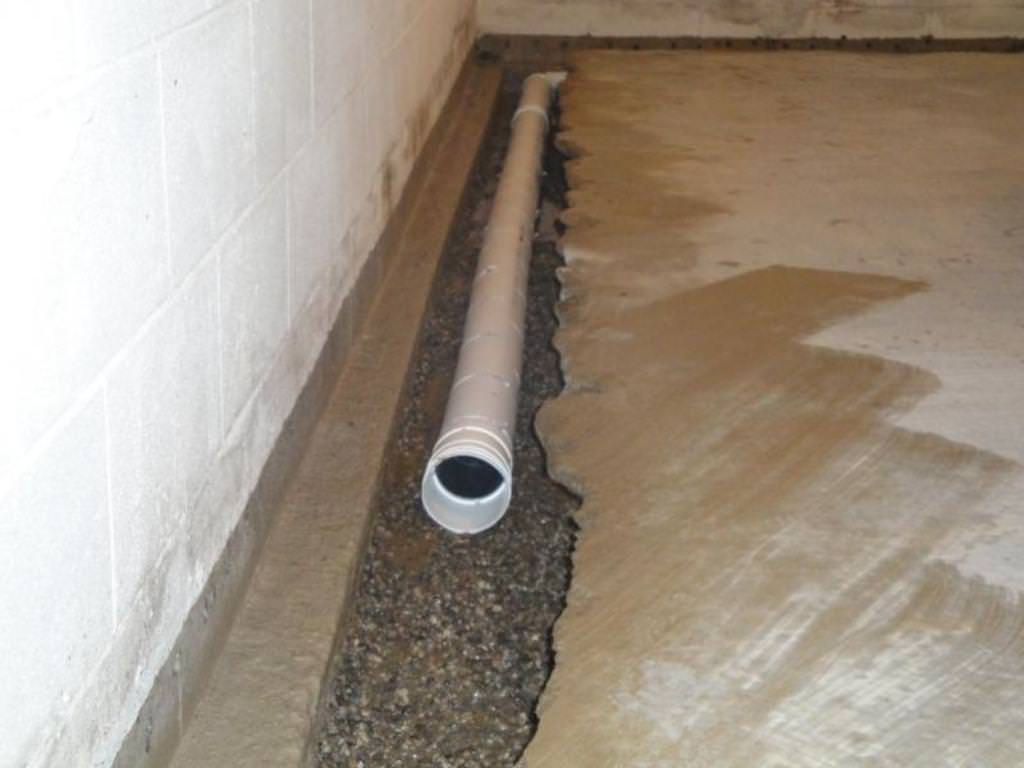
There are various methods of cellar waterproofing, which can generally be grouped into internal and external systems. Internal waterproofing centers around sealing and controlling water that enters the basement, often comprising the setup of drainage systems, sump pumps, and moisture barriers. Exterior waterproofing, on the other hand, seeks to stop water from reaching the basement in the first place through the installation of drainage systems and waterproof membranes around the foundation. Selecting the appropriate approach is based on the individual needs of your home and the specific water issues you face.
The value of cellar waterproofing is not limited to just avoiding water damage; it also plays a huge role in maintaining the structural soundness of the home. Water that permeates into the foundation can weaken the sides and flooring, leading to costly repairs over time. Additionally, a moisture-free basement enhances indoor air quality, as surplus moisture can lead to mold growth, which can negatively affect the health of occupants. By utilizing proper waterproofing techniques, homeowners can guarantee the longevity of their property and provide a better living environment.
Choosing the Appropriate Waterproofing Technique
Regarding basement waterproofing, choosing the correct method is crucial for optimal protection against moisture intrusion. Householders should initially consider the particular needs of their basement, taking into account factors such as the severity of water issues, the age of the home, and the local weather conditions. Indoors waterproofing methods, such as sealants and drainage systems, can be successful for insignificant leaks and moisture problems, while outdoor solutions, such as digging and waterproof membranes, are often more suitable for major issues, especially in antique homes where foundational integrity is at risk.
It is important to grasp the advantages and disadvantages of various methods. Indoors waterproofing typically requires less setup labor and can be a more cost-effective option, but it may not tackle the underlying issue of moisture problems, such as poor drainage external to the home. On the flip side, exterior waterproofing provides more thorough solutions by preventing water from accessing the basement walls. However, these techniques can be more intrusive and costly due to the need for excavation and setup of drainage systems.
Ultimately, homeowners should think about speaking with a specialist to assess their basement's conditions and recommend the best waterproofing technique. The appropriate choice can greatly enhance the strength of the home and provide comfort, realizing that the basement is safeguarded against water damage and its related problems.
Care and Supervision of Moisture-Proofing Systems
Proper maintenance and regular oversight of your subterranean waterproofing system are essential to ensure its performance over time. Commence by performing surface inspections every few months, looking for any signs of moisture, mildew, or water stains on ceilings and floors. Be on the lookout for issues such as fissures in the basement walls, which may need to be repaired promptly to avoid flooding. Maintaining the outdoor drainage systems, rain gutters, and drainage spouts is likewise essential to channel water far away from the structural integrity.
Servicing and caring for any pumping pumps or drainage mechanisms installed as part of the waterproofing process is just as important. Make sure sump pumps are operating correctly by evaluating them a minimum of twice a year, ensuring the float switch is functioning and that water is being extracted effectively. If your drainage system includes specialized drainage features or other mechanisms, frequently remove blockages that may block water flow, allowing these systems to perform effectively.
Finally, keep an eye on humidity in your underground space using a humidity monitor. Ideally humidity should be kept less than 60% to avert mildew. If you notice increased humidity or moist areas, it may be time to review your waterproofing efforts or think about additional actions, such as setting up a dehumidifier. Consistent monitoring and anticipatory maintenance will help maintain the soundness of your basement and shield your home from possible moisture-related issues.