

Installing an air conditioning system in your home might be transformative, particularly in the heat of summer. Considering the many choices out there, installation might feel overwhelming, yet it doesn't need to be. This guide intends to take you through all the essential information, from choosing the appropriate system to guaranteeing a successful setup. Whether you are upgrading your current unit or installing air conditioning for the first time, recognizing the subtleties will not only enhance your comfort while also boosting your home's total value.
As temperatures rise, it’s essential to recognize the indicators that suggest it may be time for a new setup. This piece will assist you in recognizing those signs and provide you with the information needed to make smart choices at each stage. Including details on expenses, the types of systems available, and why you need professional installation, you will be ready to relax, knowing your home will be a refreshing retreat when summer hits. Come along as we delve into the comprehensive guide for air conditioning installation to assist you in managing this vital home improvement undertaking.
Selecting the Right Air Cooling System
Selecting the right air cooling unit for your house is crucial for enhancing comfort and energy effectiveness. Think about the size of your area, as an air cooling unit that is too small will struggle to cool your house adequately, while one that is too big can lead to excessive energy use and humidity problems. It's important to assess the total area size of the area you need to cool, accounting for factors like ceiling height, number of openings, and any heat-generating appliances that may affect temperature control needs.
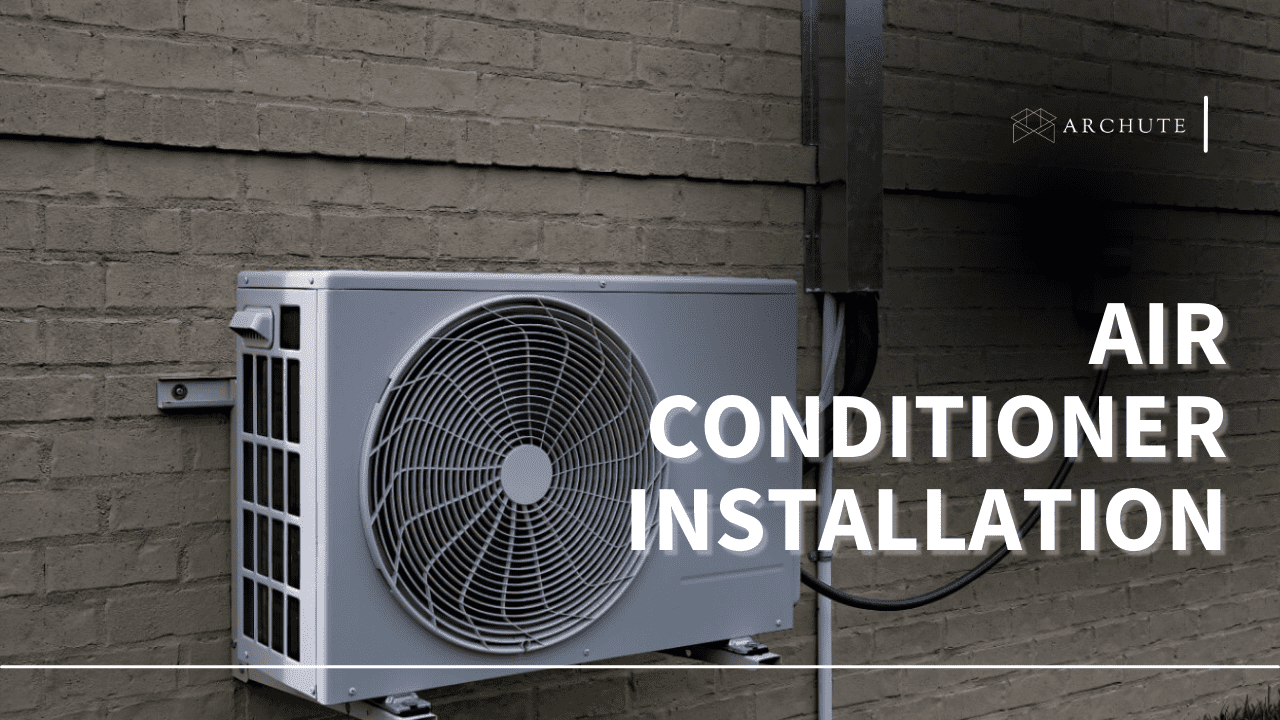
Then, consider the type of cooling system that best suits your home environment. There are several options available, such as central air conditioning, ductless mini-splits, and window units. Central air cooling is ideal for entire home cooling, while ductless systems offer flexibility, especially in homes without pre-installed ductwork. Window air conditioners can be a budget-friendly solution for single rooms. Each system varies in installation needs, energy efficiency, and pricing, making it crucial to know their advantages and drawbacks.
Finally, think about additional features that enhance comfort and convenience. Energy-efficient models come with higher SEER ratings, which can lead to significant savings on utility costs. Features such as smart thermostats, variable-speed compressors, and air purifiers can also improve your indoor air quality and overall comfort. Assess your family's needs and preferences to ensure your new air conditioner meets your lifestyle and financial plan, ultimately leading to a more pleasurable and effective home environment.
Setup Sequence Guide
The installation process for AC involves numerous key phases that ensure your equipment operates efficiently and efficiently. Initially, a qualified technician will evaluate your home and identify the best type of air conditioner for your space. This includes inspecting the current ductwork, measuring the square footage, and evaluating the layout of your home. Once a fitting unit is chosen, the technician will prepare for the setup, which may involve acquiring necessary licenses and making sure compliance with local building codes.
Then, the real installation commences. This may involve installing the interior and exterior units in suitable locations, connecting refrigerant lines, and arranging electrical wiring. Ductwork may need to be fixed or altered to suit the new system. If you are opting for a ductless mini-split system, the setup will include mounting the interior air handling units and linking them to the exterior condenser. The technician will also verify that the unit is properly aligned and that all connections are stable to prevent any leaks or operational issues.
Finally, the technician will carry out a thorough inspection of the system. This includes testing the air flow, refrigerant levels, and thermostat settings. Operation of the system will be watched to ensure everything functions smoothly. After the installation is done, the technician will provide you with care tips and address any questions you may have about operating your new climate control system. This makes sure that you are well-equipped to experience the comfort and effectiveness of your new system for an extended time to come.
Frequent Pitfalls to Steer Clear From
One of the typical mistakes during air conditioning installation is picking the incorrect size unit for your home. Many homeowners think that larger units will offer better cooling, but this notion can lead to inefficiency and higher energy costs. An oversized air conditioner will cycle on and off repeatedly, causing uneven cooling and premature wear. It's crucial to conduct a proper load calculation to determine the right size for your space, ensuring optimal performance and energy efficiency.
Moreover, common error is neglecting to initiate the system adequately. This may entail improper ductwork or failing to seal connections, which can significantly lower the system's efficiency. An incorrect installation can lead to air leaks, leading to higher utility bills and insufficient cooling. Always make sure that the installation is handled by qualified professionals with experience in air conditioning systems to avoid these issues.
In conclusion, many homeowners dismiss the importance of regular maintenance after installation. https://dougherty-reyes-2.federatedjournals.com/cool-down-an-step-by-step-manual-to-cooling-system-setup guarantees the longevity and efficiency of your air conditioning system. Forgetting to schedule routine inspections and cleanings can cause unexpected breakdowns and costly repairs. Consider getting a maintenance plan that includes periodic checks and filter replacements to keep your system running smoothly and to extend its lifespan.