

As any vessel owner understands, a high-quality boat cover is more than an accessory; it is a crucial investment that safeguards your vessel from the weather and extends its lifespan. With countless options available, selecting the right cover can feel overwhelming, but knowing the key features can bring all the difference. From material types to fit and weather resistance, this guide examines the essential components that are part of a great boat cover.
In this article, we will delve into everything you should to know about boat covers, including the materials and styles available, how to size your boat for the perfect fit, and the advantages of UV safeguarding. Whether you're a seasoned sailor or a new enthusiast, understanding these features will help you to make wise decisions and ensure that your investment is well protected. Accompany us as we explore through the key points of selecting the perfect boat cover for your needs.
Selecting the Right Boat Cover
Choosing the correct boat cover is crucial for safeguarding your investment and ensuring the boat remains within superb condition. Begin by thinking about its size as well as type for the boat, since this is going to dictate the kind of one require. Take measurements of your boat accurately, considering account its length, width, as well as any additional features like towers and consoles. A right fit stands as crucial because a cover that might be too loose can flap within the wind, causing damage, whereas one that might be too tight could result in tears and excessive wear.
There are two primary types of boat covers: custom and universal. Tailored covers are made specifically to fit your boat model, offering superior protection and a snug fit. On the other hand, universal covers come in standard sizes which may accommodate a range of vessel types. While they tend to be often more budget-friendly, finding the right universal cover can be tricky. Evaluate your options based on one's budget, how often one utilize the boat, and the environmental conditions it will face.
Lastly, consider the material of the cover. Different fabrics offer different levels of durability, water resistance, and UV protection. Common materials include canvas, polyester, and modern synthetic blends. Every has its benefits and drawbacks, so choose the best option that suits with boating lifestyle and storage needs. Whether you need you need a cover for long-term storage and regular travel, being aware of these factors will help you make an informed decision, ensuring your boat remains safe and protected.
Watercraft Cover Upkeep
Upkeeping your boat cover is essential for ensuring its lifespan and performance. Regular maintenance is a key aspect of boat cover maintenance. You ought to take away debris, dirt, and salt buildup from the exterior using a gentle brush or sponge and non-abrasive cleaner. Clean it well with fresh water to eliminate any residue that can degrade the construction over time. This routine attention helps stop mold and mildew growth, keeping your marine cover in excellent condition.
A further key care tip is to periodically check for any evidence of wear and tear. Check the seams, straps, and any fasteners for breakage or weakness. Fixing minor issues early can stop them from becoming major problems. If you see any small rips or tears, consider fixing them quickly with suitable patch kits designed for your cover's material. This forward-thinking approach can prolong the duration of your boat cover dramatically.
Finally, proper storage is crucial when your boat cover is not in use. Make sure it is totally dry before storing it for storage, as moisture can cause mold growth. Keep it in a cool, arid place to avoid exposure to UV rays or excessive heat, which can compromise the fabric. By sticking with https://boatcoverslancashire.co.uk/ , you can guarantee that your boat cover remains useful, shielding your investment for years to go forward.
Safeguarding Your Investment
Putting money in a boat frequently denotes a considerable financial investment, making the safeguarding of that investment crucial. A quality boat cover provides multiple purposes, safeguarding your vessel from harsh environmental elements such as rain, ice, UV rays, and pollutants. By keeping your boat protected, you help prevent rust, fading, and other forms of deterioration that could diminish its value over time.
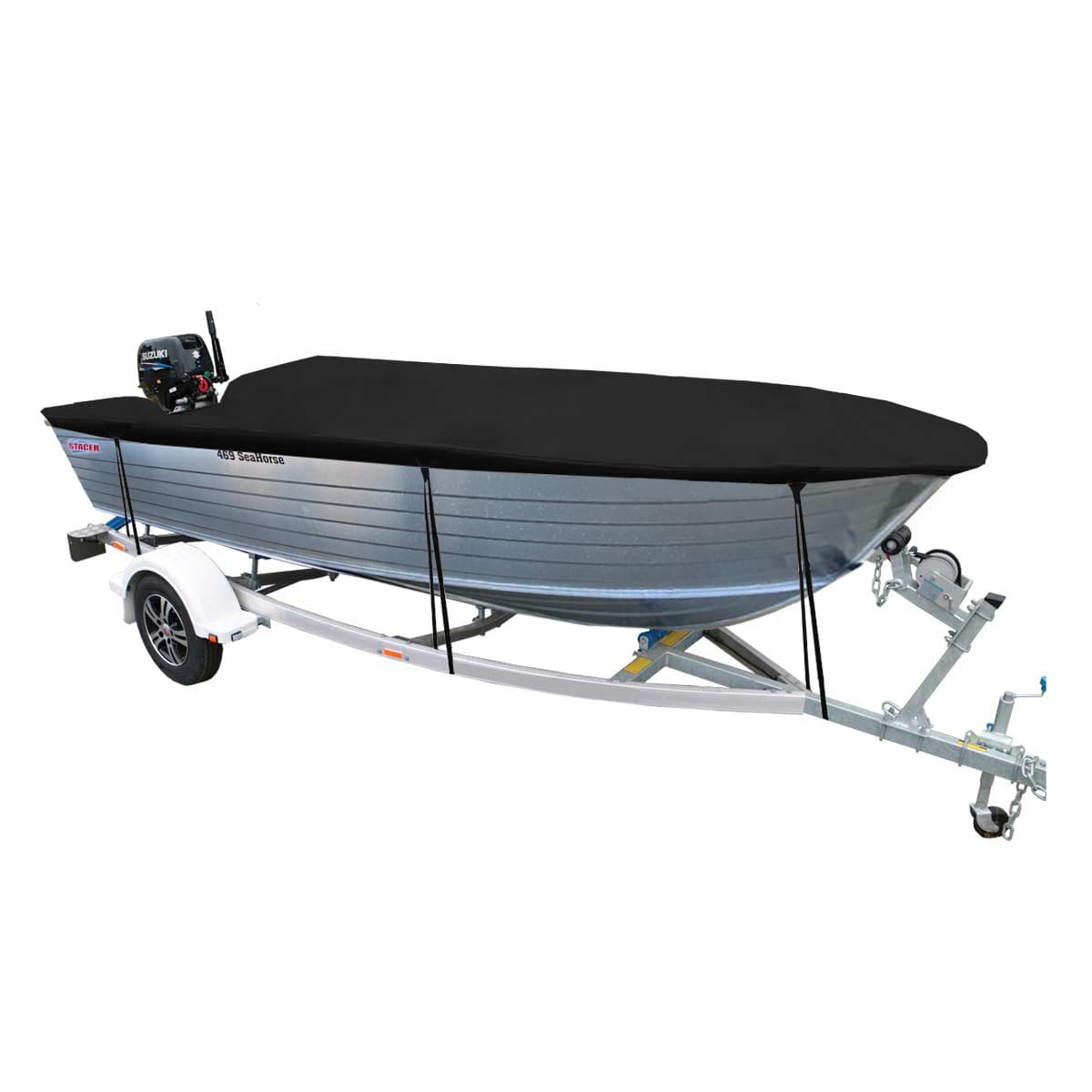
Additionally, utilizing a boat cover can prevent structural problems, such as fungus and mildew growth, which can develop from prolonged exposure to moisture. Mold not only impacts the appearance of your boat but can also lead to expensive fixes if left unchecked. A properly designed cover that allows for adequate airflow can greatly reduce the likelihood of these issues, keeping your boat remains in excellent shape.
Finally, a reliable boat cover can also prevent theft and vandalism. By concealing the boat and its features, you make it less appealing to potential thieves. Covers designed with secure fastenings enhance this protection, offering peace of mind when your boat is not in use. In this way, investing in a durable boat cover is not just about upkeep; it’s also a strategic decision to protect your investment for many years to come.