

In a society where ecological issues are ever more critical than ever, effective waste management has become a vital concern for individuals, enterprises, and neighborhoods alike. The age-old adage "if you waste, you will want" rings true today as we confront the consequences of ineffective waste practices. From overflowing landfills to waste that impacts our air and water, the consequences of improperly handled waste is plain and widespread. As we turn to the horizon, green waste management solutions are not just an option; they are a must-have for our Earth's health and our own.
Understanding modern waste management solutions is essential for all individuals, regardless of whether you're a resident looking to minimize waste or a business aiming to establish sustainable practices. This article aims to provide a comprehensive guide, exploring the importance of effective waste management and offering practical tips for improvement. We'll delve into topics such as reusing, organic waste recycling, and the importance of advanced systems in transforming how we handle waste. Whether you're just starting out in waste management or looking to enhance your existing practices, there is something here for everyone. Together, we can all play a role in creating a purified, eco-friendly future.
Understanding Waste Disposal Issues
Waste disposal experiences a multitude of issues that impact its efficiency and efficiency across various sectors. One significant issue is the increasing amount of waste created as communities expand and usage grows. Urbanization and manufacturing activities lead to a surge in garbage, thus requiring for municipalities and organizations to adjust their strategies to address this increase. Without proper preparation and facilities, the risk of garbage dumps overflowing and illegal dumping practices increases, resulting in ecological damage.
Another, challenge lies in the variety of waste materials and the processes necessary for their treatment. Different materials, such as synthetics, metallic items, and biodegradable waste, demand distinct management techniques. The deficiency of understanding about appropriate waste sorting further complicates waste management efforts, as contaminants can hurt recycling processes and diminish the effectiveness of resource recovery. Tackling this issue not only demands education for the general population but also innovative solutions that facilitate the recycling process and waste separation at the origin.
In conclusion, regulatory compliance presents its own set of hurdles. Waste disposal is regulated by a array of local, provincial, and federal rules that can be quite diverse, resulting in uncertainty for businesses and garbage management suppliers. Keeping current with these rules and making sure adherence can be demanding on resources. Additionally, the implementation of laws can be uneven, resulting in discrepancies of garbage management methods across locations, which influences overall sustainability goals.
Cutting-edge Approaches for Efficient Waste Management
As industries and communities strive for sustainability, new solutions in waste management are becoming crucial. Technology plays a pivotal role in transforming the way waste is handled, from digital bins equipped with monitoring systems to track waste levels to applications that help individuals learn about their recycling options. Automation and data analytics can optimize waste collection routes, reducing costs and carbon emissions while improving effectiveness. These developments not only enhance operational performance but also foster greater public awareness about waste management practices.
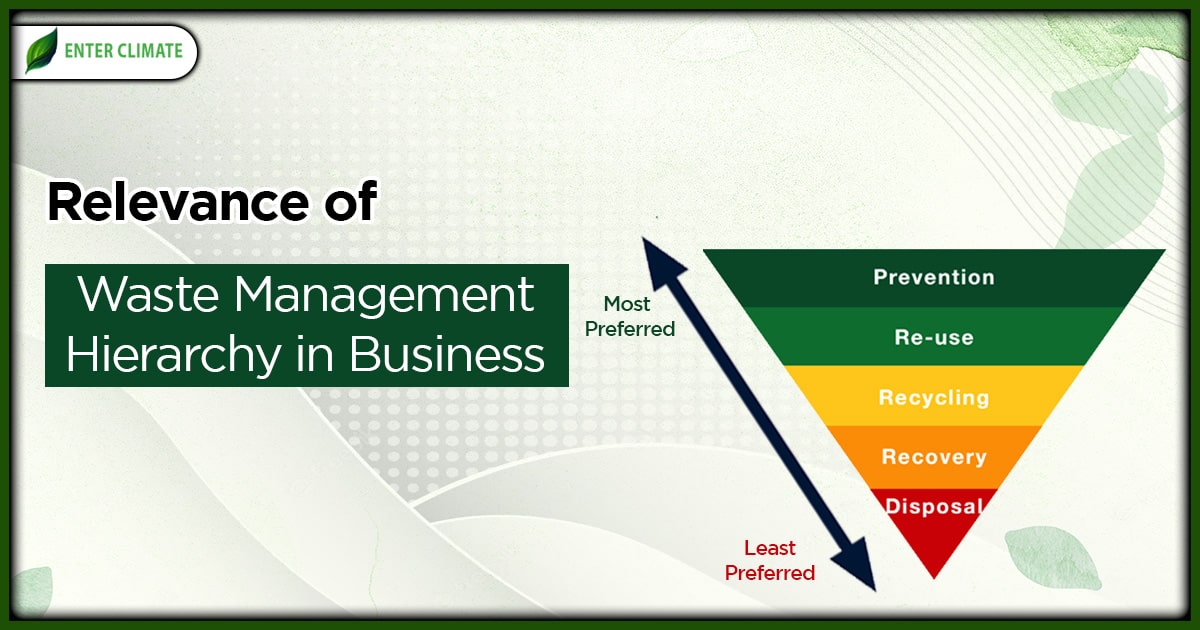
Another important factor of efficient waste management is the adoption of recycling and organic waste management initiatives. Many municipalities are now launching programs that inspire citizens to distinguish their waste into biodegradable, recyclable, and general waste categories. Awareness campaigns and neighborhood workshops can empower individuals to comprehend what can and cannot be recycled, ultimately lowering contamination in recycling streams. Additionally, food waste composting programs can significantly reduce landfill contributions while providing useful organic material for local gardens and agricultural projects.
Finally, collaboration among industries, local governments, and non-profit organizations is vital for creating a comprehensive waste management strategy. By sharing resources, expertise, and best practices, these entities can develop a more unified approach that encourages waste reduction, recycling, and proper disposal methods. Workshops and partnerships can cultivate innovation, allowing for the exploration of sustainable packaging solutions and zero waste initiatives. Through cooperative action, communities can build impactful waste management systems that contribute to a more sustainable environment and a more sustainable future.
Building a Eco-friendly Future
As the international population continues to increase, the urgency for effective waste management becomes increasingly crucial. Adopting sustainable waste management strategies not only decreases the volume of waste delivered to landfills but also reduces the ecological impact associated with waste disposal. This shift towards sustainability is fundamental for preserving natural resources, safeguarding ecosystems, and combating climate change. By incorporating waste management into broader sustainability programs, businesses and communities can create a more resilient and environmentally conscious future.
One key element in building a sustainable future is the establishment of circular economy principles. This method emphasizes the significance of repurposing materials, recycling, and reducing waste at every phase of production and consumption. By fostering a circular economy, organizations can considerably lower their carbon footprints while encouraging responsible consumption and production patterns. Efficient waste management practices, such as waste segregation and composting, play a key role in achieving these goals, providing businesses with a competitive advantage while appealing to environmentally conscious consumers.
Moreover, technological advancements are opening the way for new waste management solutions that can change the industry. Wealth Management Newquay Cornwall enable better tracking and sorting of waste, improving the efficiency of recycling processes. With the rise of digital platforms and data analytics, businesses can carry out waste audits and create targeted waste reduction initiatives. By leveraging technology, companies can not only boost their operational efficiency but also contribute a more sustainable planet, ultimately guaranteeing a sustainable future for future generations to come.