

The process of selling a vehicle can often seem a intimidating task, but it doesn’t need to be that way. Whether you're planning to upgrade, downsize, or just need some quick cash, understanding the right methods can assist guarantee a smooth and successful sale. In this article, we will discuss thirty smart tips that can aid you market your car quickly, free from the usual stress that accompanies the process.
From knowing the necessary paperwork to knowing how to negotiate effectively, we've got you covered. We'll also examine the various possibilities available, such as selling via the internet versus trading in at a car lot, and what to consider if your car has unresolved finance or even if it's been involved in a crash. With the appropriate strategy and preparation, you can maneuver through the car selling landscape with confidence and obtain the highest price for your vehicle.
Tips for a Quick Sale
When looking to sell your car swiftly, one of the most efficient approaches is to make sure your vehicle is shown in the optimal ideal state. Begin by washing both the outside and interior thoroughly, as a clean vehicle creates a favorable initial impression. In addition, think about taking high-quality photos in good lighting for your online listing. These photos should highlight your vehicle’s best features and any distinct aspects that could draw in potential purchasers.
Another crucial element to selling your vehicle quickly is pricing it fairly. Research similar vehicles in your area to determine their fair market prices. You can utilize online estimators to assist you determine the ideal pricing spectrum. Keeping it realistic about your price can greatly speed up the selling process, as potential purchasers are often quick to overlook cars that seem overpriced.
Lastly, using various digital channels to advertise your vehicle can maximize visibility. Sites dedicated to vehicle sales, social media marketplaces, and local classifieds can all assist extend a wider market. Craft a strong narrative for your advertisement that includes key information such as make, type, age, mileage, and any recent maintenance conducted. This not only informs buyers but also establishes trust in your advertisement, increasing the likelihood of a quick sale.
Selling Methods: Internet vs. Dealership
When considering how to dispose of my vehicle quickly and effectively, the choice between online selling and dealership trade-in becomes vital. Selling over Additional reading offers the potential for a higher price as individual customers may be ready to pay more than dealerships. Furthermore, digital marketplaces provide wider exposure, allowing you to reach a larger audience. However, this method often requires more effort in terms of creating listings, corresponding with interested buyers, and handling deal discussions.
On the other hand, the trade-in method can streamline the selling process considerably. By trading your car at a car dealer, you can finalize the transaction in a single visit, which is convenient if you need to purchase another vehicle shortly. However, the values offered for trade-ins are typically reduced than what you might receive from a direct selling. Additionally, car dealerships often factor in the car’s condition and previous worth more conservatively, which might influence your final price.
Ultimately, the choice hinges on your main concerns. If speed and convenience are your top priorities, a trade-in might be the best option. Conversely, if increasing your sale price is more important and you are willing to invest time and effort, an online sale could yield higher financial returns.
Documentation and Legal Considerations
When you opt to dispose of your automobile, having the right records in line is crucial to facilitate a smooth sale. The primary documents include the auto title, registration, and a bill of sale. The title demonstrates your ownership of the automobile, while the registration indicates that the vehicle is legally allowed to be on the highways. A bill of sale serves as proof of the transaction, detailing the sale price, vehicle details, and the names of both the purchaser and vendor.
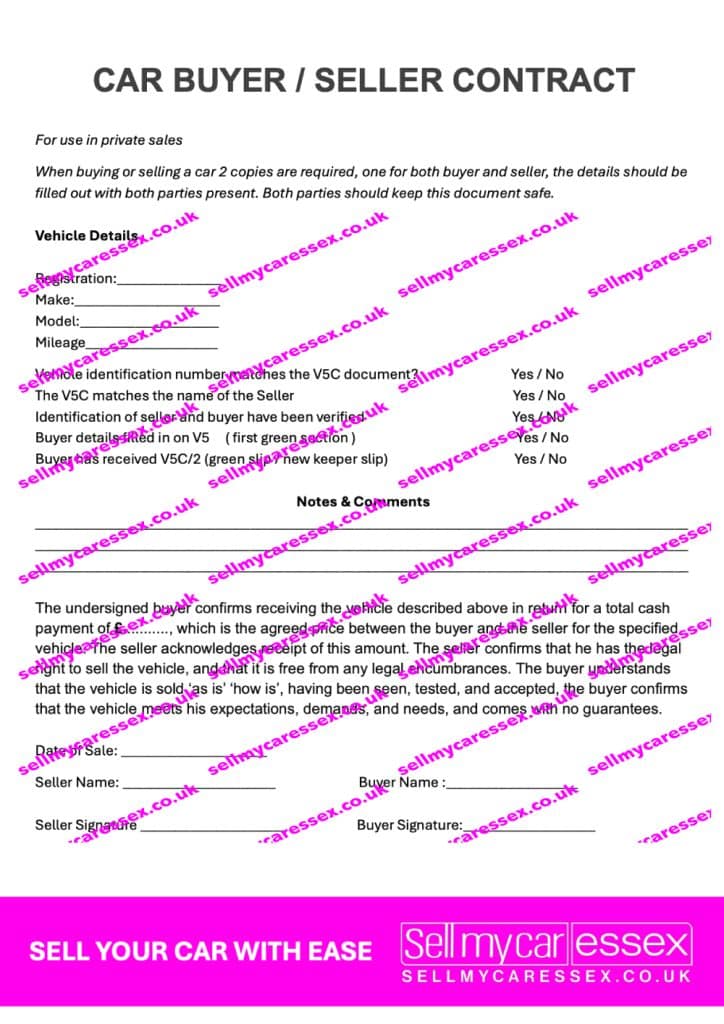
Another significant document to think about is any service records. Providing potential purchasers with these documents can enhance their confidence in buying your vehicle, as it indicates that the car has been well cared for. If applicable, also be ready to provide an emission test, which may be required in some jurisdictions during the transaction. Ensuring that all paperwork is clear will help facilitate the sale.
Finally, be aware of any legal considerations involved in selling your car, particularly if there is outstanding debt or if the car has a lien. In such cases, it's necessary to convey honestly with the buyer about the existing liabilities. Research the regulations in your area regarding title transfer and taxes on sales, as failure to adhere may lead to problems later on. Being careful and knowledgeable about these regulations will help prevent unnecessary pressure and ensure a trouble-free process.