

Renovations can be exciting but they often come with a host of legal issues that can readily hinder the renovation process. One of the key elements to understand is the significance of party wall contracts, particularly when it comes to conducting work near or adjacent to joint property borders. As homeowners begin their endeavors, the responsibility of party wall surveyors becomes increasingly critical in navigating these challenges and ensuring smooth relations with surrounding properties.
These professionals are experts specialized in the legal regulations outlined in the Party Wall legislation, which regulates construction activities that may impact nearby land. Their participation is not just helpful but often crucial in preventing disputes and protecting property owners' rights. In this piece, we'll examine the various responsibilities of party wall surveyors and analyze how they can help homeowners navigate disputes with their neighbors, understand the legal framework, and effectively carry out their home improvement projects. Whether you're preparing for a remodeling project, basement extension, or any other project that could influence a shared wall, knowing when and why to engage a party wall surveyor is crucial for a seamless experience. ### Party Wall Agreements Explained
A party wall agreement is a legal structure that governs the connectivity of homeowners that share a boundary wall or building. The Party Wall Act enacted in 1996 establishes the duties and rights of homeowners related to activities that might influence a shared wall. This legal framework is vital in ensuring that both parties are aware of the intended work and the likely effects it may have on their estates. Learn more serves as a means to prevent disputes before they arise, making it crucial for property owners to comprehend its importance.
When considering extensions, repairs, and structural changes which may impact a party wall, homeowners must notify adjacent owners by means of a wall notification. The notification permits the adjacent owner to communicate any objections and objections regarding the proposed actions. If an agreement cannot be reached amicably, hiring a party wall surveyor could be required to facilitate the resolution. The appointed surveyor will help draft the agreement related to the party wall, which details the scope of the work as well as all precautionary measures to be enforced to reduce disturbance.
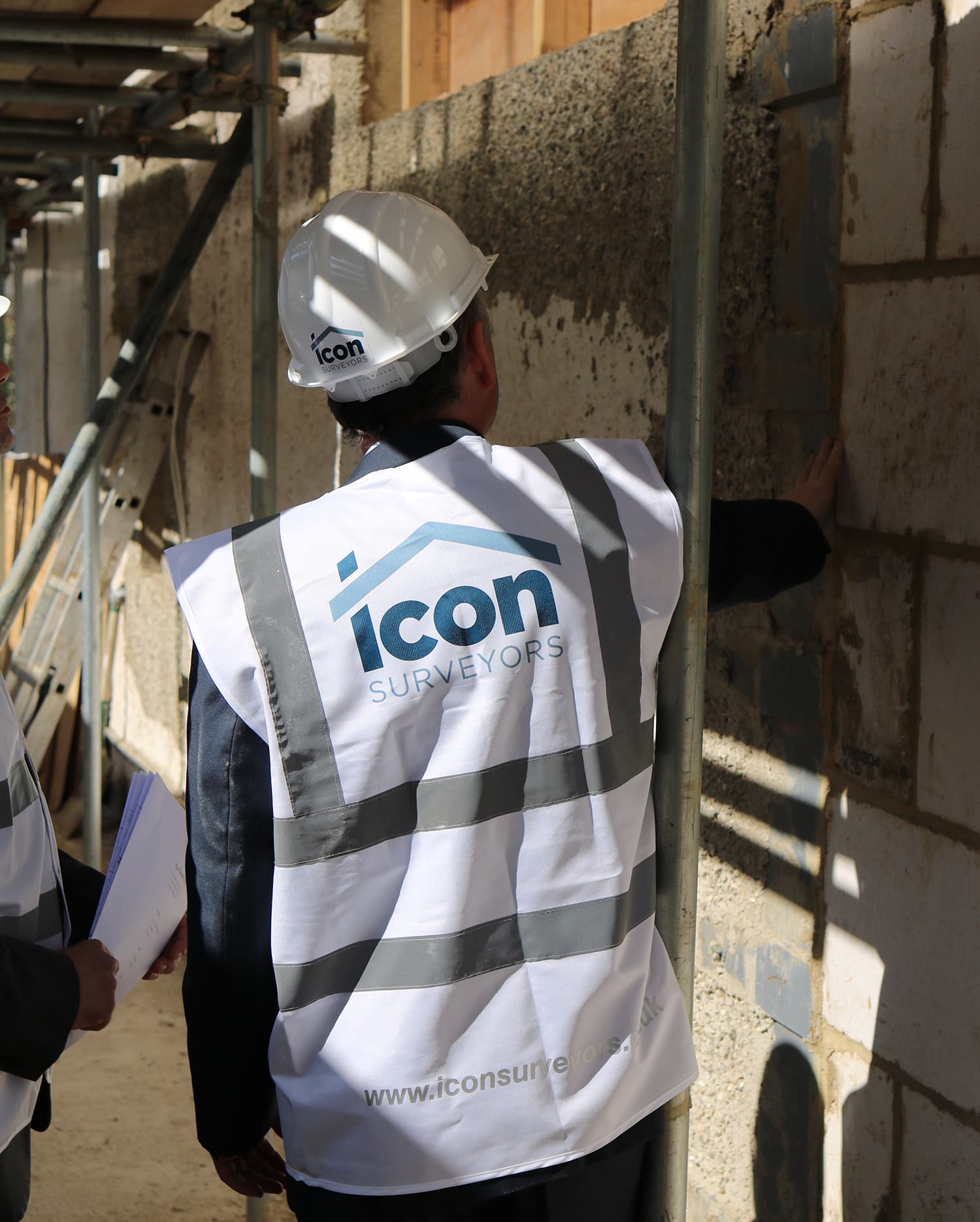
Through the establishment of a party wall contract, homeowners can secure their stakes and upholding positive relationships with nearby residents. Such an agreement not only defines the responsibilities associated in the process of construction but also offers a reference point should disputes emerge later. Grasping the details of party wall agreements is vital for homeowners to manage prospective difficulties as well as ensure a smooth progression of their home improvement projects.
The Role of Party Wall Surveyors
Party wall surveyors play a critical part in navigating the complexities of property development and maintaining good neighbor relations. They serve as impartial professionals who understand the legal framework set by the Party Wall Act. When a building owner intends to perform work that affects a shared wall, the surveyor guarantees that both parties' rights and needs are represented, thus helping to prevent disputes before they escalate. This proactive approach not only defends property owners but also promotes a sense of trust and cooperation between neighbors.
During the procedure, party wall surveyors perform detailed inspections and prepare necessary documentation, such as party wall notices and schedules of condition. Their expertise allows them to inform homeowners on the ramifications of their proposed works, ensuring adherence with legal requirements. By promoting communication between the building owner and the adjoining owner, surveyors reduce misunderstandings and provide clarity on the rights of each party, ultimately leading to more efficient project execution.
In further to their role in construction, party wall surveyors are also skilled in managing disputes that may arise. Should conflicts occur, they can guide discussions and provide qualified opinions, striving to achieve a equitable outcome for both sides. This conflict resolution capability is vital for maintaining healthy relationships and for the overall integrity of property developments. Their ability to harmonize the interests of both parties while adhering to legal standards is what makes party wall surveyors indispensable in property matters.
Common Inquiries About Party Wall Process
One common question homeowners have is whether they need a party wall surveyor for their planned renovations. If your renovations involve constructing a structure near or on a shared wall with a neighbor, the Party Wall Act may require you to notify your neighbor and potentially engage a party wall surveyor. This is especially true for extensions, loft conversions, or major alterations that could impact the structural integrity of the wall or the neighbor's property.
Another frequently asked inquiry is about the length of the party wall process. Typically, once you serve a party wall notice, your neighbor has two weeks to respond. If they agree to the work, arrangements can proceed rapidly. However, if there is a dispute or if they neglect to respond, the process may extend significantly as a surveyor will need to be appointed, and an award will need to be drafted, which can take several weeks or even months.
Many homeowners also wonder what happens if their neighbor disregards a party wall notice. If a neighbor does not respond to a properly served notice within the designated time frame, the homeowner can proceed by appointing a party wall surveyor unilaterally. The surveyor will then prepare a party wall award that dictates how the work can be carried out while protecting both parties' interests. This process ensures that the homeowner can continue without being stalled by an unresponsive neighbor.