

As the world increasingly turns its focus toward living sustainably, thermal pumps are becoming to represent an innovative solution within temperature regulation in homes. Designed to efficiently transfer heat instead of producing it, these cutting-edge technologies present homeowners a viable alternative compared to conventional heating and cooling systems. Due to rising energy costs and an urgent need for minimizing carbon emissions, grasping heat pumps and their advantages has never been more vital for individuals aiming to enhance their home’s energy efficiency while helping to create a sustainable future.
Throughout this article, we will explore what every homeowner should be aware of regarding heat pumps, from their workings and efficiency compared to conventional systems to practical tips on installation and maintenance. Whether you're considering a heat pump for a new build or looking to retrofit an existing home, we will investigate the various types available, such as air source and ground source heat pumps, along with insights on performance in different climates. Come along as we reveal the impact of heat pumps on enhancing home comfort while also being pivotal in supporting sustainable practices.
Understanding Heat Pumps
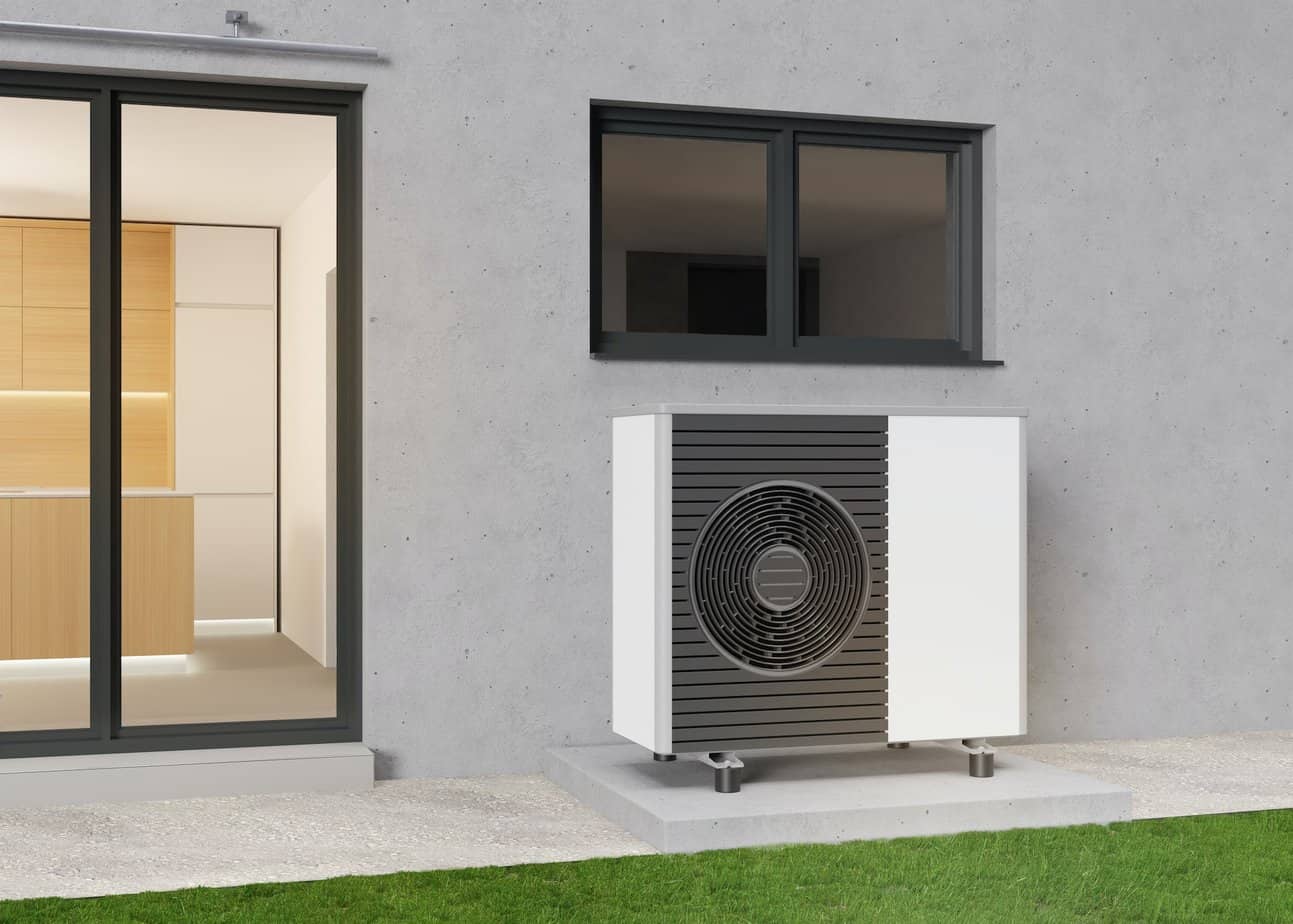
Heat pumps are advanced systems that move heat from one place to a destination, efficiently providing both heating and cooling solutions for households. They work by using a refrigeration cycle to draw heat from the air, ground, or water and move it indoors or outdoors, depending on the desired temperature. This method allows them to function efficiently in multiple climates, making them an attractive option for homeowners looking to lower energy consumption.
A major advantages of heat pumps is their effectiveness compared to conventional HVAC systems. Unlike furnaces that produce heat through combustion, heat pumps simply transfer existing heat, requiring less energy to secure the same level of comfort. As a consequence, they can greatly lower energy bills and minimize greenhouse gas emissions, making them a sustainable choice for environmentally conscious homeowners.
In recent years, heat pumps have gained popularity, especially with the advent of new technologies that enhance their performance in cooler climates. Homeowners are now more knowledgeable about the different types of heat pumps on the market, including air source and ground source options, allowing them to make educated decisions based on their individual needs and regional climate conditions. As we consider the future of home heating and cooling, heat pumps are poised to play a vital role in achieving goals for sustainable living.
Benefits of Heat Pumps
Heat pumps offer significant advantages in power efficiency, making them an ideal choice for homeowners looking to lower their energy costs. Unlike https://airsourceheatpumpsyorkshire.com/ that generate heat, heat pumps transfer existing heat from the atmosphere or ground into your home. This approach uses considerably less energy, often resulting in reduced monthly utility costs. As energy costs continue to rise, the efficiency of heat pumps can provide substantial long-term savings for owners.
In addition to cost savings, heat pumps also promote a more sustainable lifestyle. They produce lesser greenhouse gas emissions compared to conventional heating and cooling systems. By utilizing renewable heat sources, they significantly reduce a household's carbon footprint. This eco-friendly approach aligns with the growing movement towards sustainable living, making heat pumps an ideal option for eco-conscious homeowners.
Another significant benefit of heat pumps is their flexibility in providing both heating and cooling. This double functionality simplifies home climate control, removing the need for different heating and cooling systems. Many models are equipped with cutting-edge technologies such as smart thermostats, enhancing overall comfort and convenience. As a result, heat pumps can enhance indoor air quality and maintain a consistent temperature throughout the seasons, making homes more comfortable regardless of external weather conditions.
Setup and Upkeep
Setting up a heat pump needs meticulous planning and arrangement to secure peak performance. Homeowners should start by assessing their environment and identifying what type of heat pump is best appropriate, whether air source or ground source. It is essential to determine the correct size for the unit, as an incorrectly sized heat pump can result in suboptimal performance and discomfort. Certified installation is strongly recommended, as certified installers will have the skills to install the system properly, complying with local codes and industry practices.
Routine maintenance is crucial for extending the duration and effectiveness of your heat pump. Homeowners should schedule annual inspections with a trained technician to assess refrigerant levels, examine electrical components, and clean filters. Consistent maintenance not only assists in detecting potential issues before they become costly repairs but also ensures that the system functions at peak efficiency, ultimately minimizing energy bills and enhancing indoor comfort.
In terms of common maintenance tasks, homeowners can assist by regularly cleaning or swapping filters every few months and keeping the outdoor unit free of debris. Monitoring the system's performance can also assist in earlier detection of any problems. Being proactive about maintenance will not only enhance the life of your heat pump but also preserve your investment, ensuring that it continues to deliver reliable service across the heating and cooling seasons.