

As the temperature increases and summer draws nearer, creating a pleasant living environment is a top concern for many homeowners. An efficient air conditioning system becomes crucial for preserving that cool, refreshing atmosphere indoors. Yet, the installation process might be daunting, loaded with questions and considerations that may make or break your experience. Whether replacing an old unit or installing a new system in a newly constructed home, understanding the ins and outs of air conditioning installation is crucial for ensuring optimal performance and energy efficiency.
Starting with selecting the right type of air conditioner to grasping the costs and timeline of installation, this comprehensive guide will equip you with the knowledge you need. We will cover vital topics such as selecting the appropriate size for your space and the benefits of hiring a professional installer. Additionally, we shall address common mistakes to avoid, the latest energy-efficient technologies, and how to prepare your home for a successful installation. With the proper information, you can convert your sweltering space into a cool oasis that enhances your comfort while boosting your home's value.
Indicators To Determine If You Need a Different AC
As heat levels rise and your current air conditioning unit has difficulty to keep your home pleasant, it’s important to identify the indicators that signal it may be time for a new installation. One of the most apparent indicators is constant breakdowns. If you often calling for repairs several times a period, it could be cheaper to invest in a new unit rather than persisting in patching up an old system.
Another key indicator is soaring energy bills. If your power costs have inexplicably risen, it could suggest that your air conditioner is operating more than usual and not performing optimally. Older units often decline in efficiency over time, causing higher energy consumption and costs, making an upgrade a prudent investment in both comfort and savings.
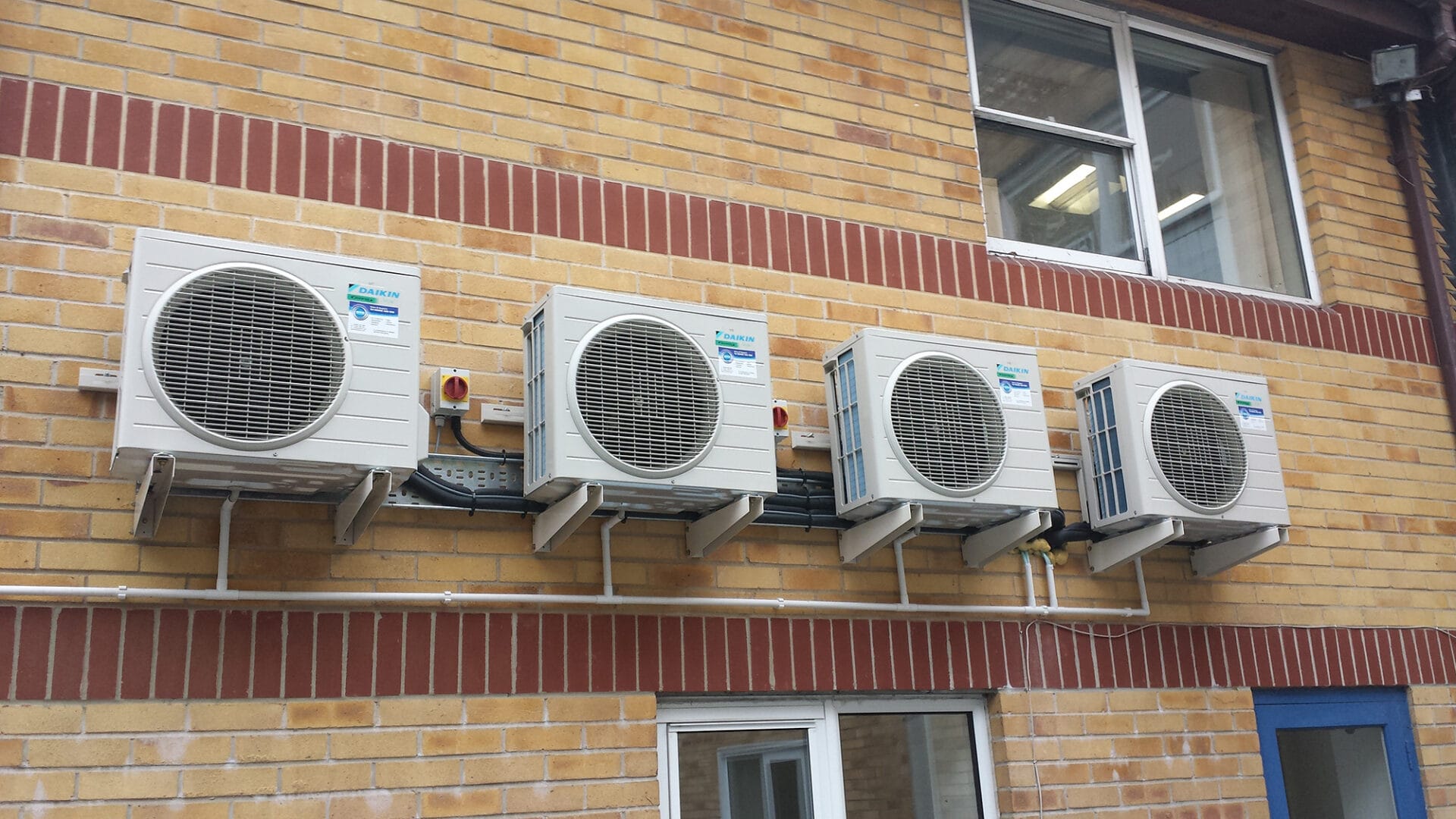
Lastly, consider the age of your air conditioning setup. Most units last around 10 to 15 years. If your air conditioner is approaching or exceeding this age, it may be time to evaluate its functionality. Newer models are not only superior in energy efficiency but also come loaded with state-of-the-art technology that can provide improved cooling, less noisy operation, and better air quality in your home.
Deciding on the Appropriate Air Conditioner
Selecting the right air conditioner for your home is crucial for ensuring comfort and efficiency. Begin by evaluating the size of your space, as the cooling capacity is measured in BTUs. air conditioning installation Redhill that is too small will face challenges to cool your area, while one that is oversized can lead to short cycling, diminishing efficiency and lifespan. Measure your rooms and factor in elements like ceiling height, sunlight exposure, and insulation when determining the correct size.
Then, think about the type of air conditioning system that meets your needs. Central air systems are best for big homes that require consistent cooling throughout various rooms. In contrast, ductless mini-split systems offer flexibility and are great for homes without existing ductwork. Each system type comes with its own pros, so evaluate whether you need a whole-home solution or a targeted approach for specific areas.
Lastly, reflect on energy efficiency when picking a new air conditioner. Search for models with high SEER ratings, as they consume less energy and can greatly reduce your utility bills. Additionally, consider features like programmable thermostats and smart technology that allow remote access and scheduling. Investing in energy-efficient system not only benefits your wallet but also is good for the environment.
Professional Installation Benefits
Choosing for expert air conditioning installation offers numerous benefits that can significantly affect both temperature control efficiency and long-term efficiency. Experienced technicians possess the expertise and skills required to evaluate your home's unique needs, guaranteeing that the selected system is appropriately sized and installed for maximum operation. This customized approach is essential, as improper installation can lead to suboptimal cooling, increased energy bills, and greater wear and tear on the system.
Another key benefit of professional installation is the assurance of compliance with local building codes and standards. Professionals are knowledgeable in these requirements, which can differ by location, ensuring that your installation meets safety standards. Furthermore, trustworthy installation companies often provide warranties on their work, giving homeowners peace of mind and protection against possible future issues that may arise from a badly executed installation.
Ultimately, the sustainable savings associated with professional installation can be substantial. A properly installed air conditioning system operates more effectively, reducing energy consumption and decreasing utility bills. Additionally, expert installation can extend the lifespan of the unit, minimizing the need for early replacements. This investment in professional services not only enhances convenience but ultimately pays off by increasing the overall value of your home.