

Using spray paint is a vibrant medium that allows both experienced artists and do-it-yourself enthusiasts to convert common items into breathtaking works of art. With its ability to quickly coat large surfaces and provide a sleek finish, spray painting offers a distinct way to express creativity and enhance spaces. Whether you are looking to refresh old furniture, revamp your living space, or tackle an large-scale project, understanding the ins and outs of spray painting can unlock a world of possibilities.
In this article, we will explore the key techniques and tips to help you achieve the ideal spray paint finish. We'll discuss how to choose the right spray paint for your mission, the best practices for surface preparation, and the tools that will set you up for success. Additionally, we'll delve into common mistakes to avoid, the benefits of hiring a professional for spray painting, and the environmental advantages of this innovative technique. Get ready to unleash your creativity and discover the art of spray painting!
Key Methods for Aerosol Spraying
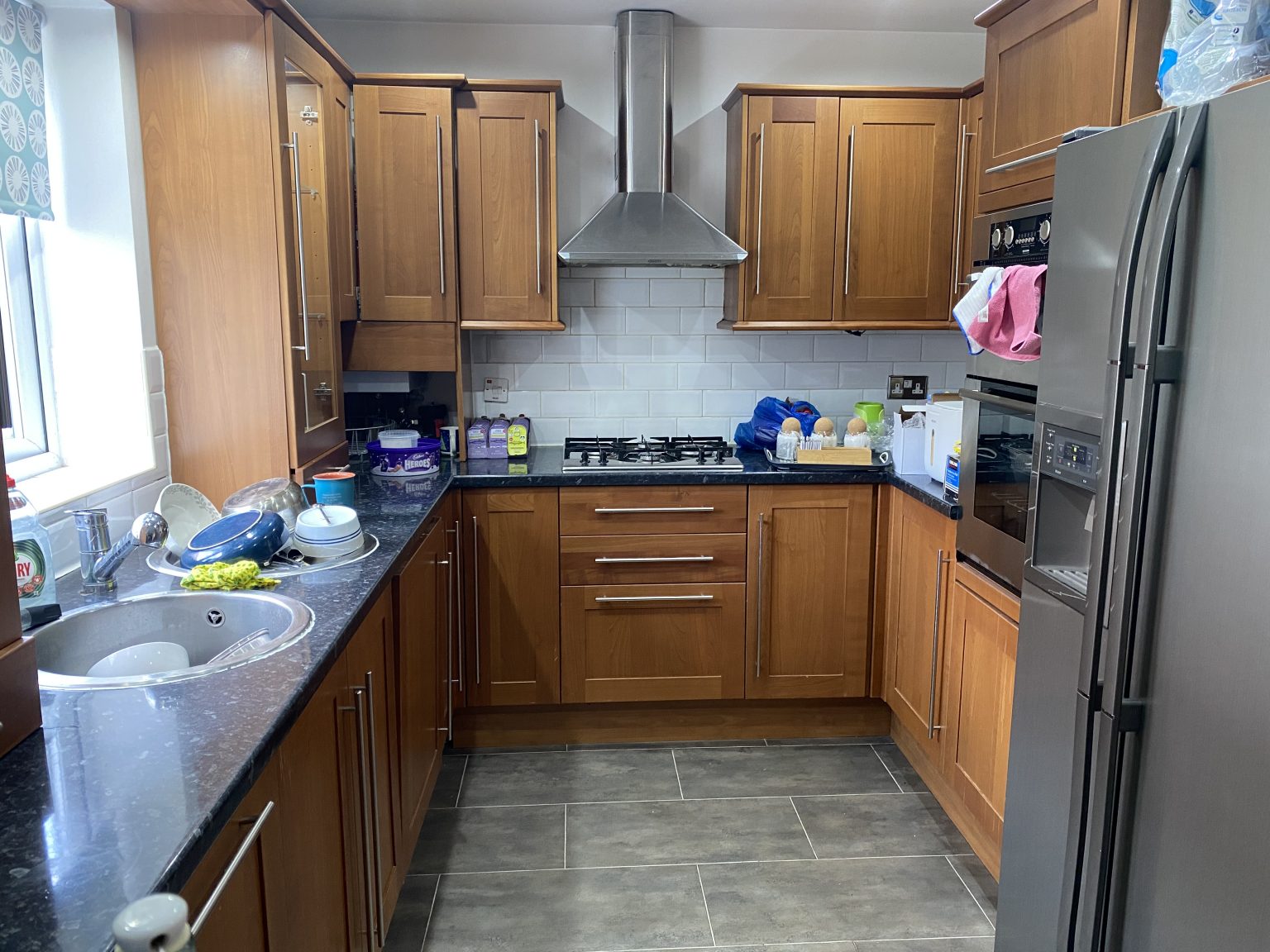
Mastering spray painting demands an understanding of key methods that will elevate your finish. Kitchen Respraying And Spraying Knottingley West Yorkshire is to ensure a uniform distance from the object being painted. Preferably, you should hold the sprayer or nozzle about one foot to a foot and a half inches away. This distance allows for an consistent spread of color and aids to avoid runs and runs. Additionally, shifting your hand in a smooth movement while spraying creates a light mist that facilitates a sleek finish. Start your application ahead of contacting the object, and complete your application once passing past it to avoid excess accumulation at the start and end.
Applying layers is a further crucial approach for attaining a perfect finish. Rather than attempting to cover the surface in a single heavy coat, opt for several thinner coats. This method not just boosts adhesion but also avoids the color from dripping. Give each layer to dry before putting on the next one, as this assists create dimension and vibrancy in color without altering the quality of the result. Be calm and avoid the urge to speed up the process; great outcomes come from meticulous preparation and execution.
Lastly, sufficient ventilation and surroundings play a important role in successful spray painting. Whether indoors or outdoors, verify that the area is properly aired to stop the buildup of vapors and to encourage faster curing periods. Refrain from working in extreme temperatures or humid conditions, as these factors can influence the way coating adheres and dries. Scheduling your projects to ideal environmental conditions not only improves the finish but also enhances your overall satisfaction of the craft. Adhering to these techniques can lead you to breathtaking results in your aerosol painting ventures.
Common Mistakes and Solutions
One of the most frequent errors in spray painting is failing to prepare the surface correctly. If the surface is dirty, greasy, or not sanded properly, it can lead to uneven coverage and poor stickiness of the paint. To avoid this, always wash the surface carefully, taking off dirt and particles, and use the right sandpaper to create a smooth base. Additionally, using a suitable primer can enhance the end finish and prevent peeling.
Another frequent issue is incorrect technique while spraying. Many beginners tend to apply paint too near to the surface, resulting in drips, streaks, and an uneven result. To achieve a even spray paint finish, maintain a consistent distance of about 10-12 inches from the object and use even, sweeping motions. Practice on cardboard or scrap materials can significantly improve your technique before tackling your real project.
Lastly, ignoring the climate can lead to unsatisfactory results. High humidity and temperatures can affect drying times and adhesion, while breezes can disrupt the application when painting outside. Check the forecast before starting your project, and try to spray in ideal conditions, ideally on a fair dry day. Should you encounter problems, like drips or irregular patches, allow the paint to dry completely and smooth it lightly before applying a new coat.
Picking right Components and Equipment
Choosing the components and equipment are crucial to completing a successful spray painting endeavor. Commence by choosing premium spray paint that is appropriate with your work surfaces, whether they're metal, lumber, or synthetic material. Seek out variants which deliver high coating as well as durability, while also factoring in factors such as drying time plus the finish type (matte, gloss, etc.). Furthermore, ensure you have a proper primer if necessary, because it can significantly boost bonding as well as overall appearance.
Then, arm yourself using the essential tools to make your spray painting workflow more efficient along with more efficient. Invest a reliable spray gun or nozzle, which allows for better control as well as precision. Remember to get drop cloths or protective sheeting to cover areas you wish to keep paint-free, as well as painter’s tape for sharp lines on borders plus corners. Having a mask or respirator can assist protect you from breathing in vapors, guaranteeing that safety stays a priority throughout your creative endeavors.
In conclusion, get acquainted yourself to surface prep techniques which can result in a substantial difference in your success. Scrub the surfaces well to eliminate dust, grease, and old paint, while also sand them if necessary to create a smooth base for your new paint. Following these steps not only ensures better adhesion and also allows the paint to appear more vibrant. Correctly selecting and arranging your tools and tools establishes the foundation for a enjoyable spray painting journey.