

Converting your living room into a cinema experience is an thrilling project that a lot of homeowners dream of realizing. Picture sinking into a comfortable seat, surrounded by the right combination of visuals and audio, enabling you to transport yourself into another realm with your beloved films. The advantage of creating a home cinema is that you can tailor it to fit your distinct style, needs, and budget, whether you wish for an small space for cinema evenings or a luxurious setup that wows guests.
In this comprehensive guide, we will explore everything you need to know to build your ideal home cinema. From the essential must-have features that characterize a contemporary setup to intelligent ways to save money, we will cover a variety of topics to help you enhance your cinema enjoyment. Whether you are a dedicated cinephile or just enjoy occasional family movie nights, you will find valuable insights on floor plan, equipment selection, and thematic decor that create the ideal mood for your domestic theater. Get ready to convert your living space into the perfect cinematic experience.
Key Features of a Residential Theater
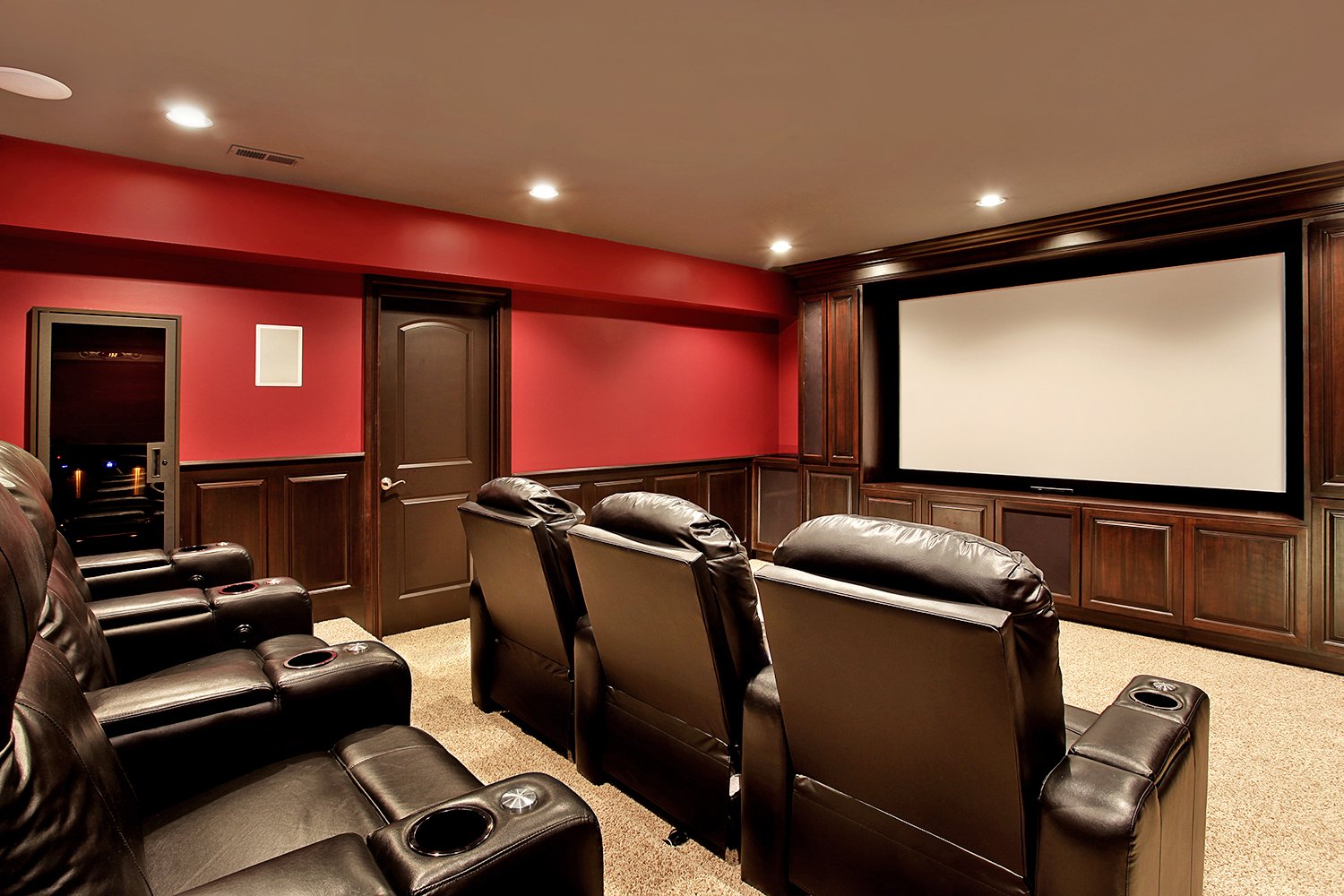
Establishing a engaging home cinema begins with the selection of the suitable projector. Choosing a high-quality display is crucial for delivering impressive images. Look for one that provides at least 1080p clarity, with many aficionados opting for 4K for an crystal clear picture. Take into account the luminance and contrast ratios as well, as these elements can significantly affect visual quality, especially if you are not able to regulate ambient light in the room.
Another crucial aspect is the audio system. Multichannel audio systems, particularly those that feature 3D audio, enhance movie nights by surrounding you in deep, engaging sound. Allocating Home Cinema Willian Hertfordshire in a good set of speakers, including a subwoofer for powerful bass, will greatly enhance your cinema experience. Properly arranging these speakers around the room adds to the cinematic feel and ensures that every whisper and explosion resonates like it would in a cinema.
Illumination also has a significant role in converting your home space into a movie theater. Dimmable lights or intelligent lighting solutions can set the mood for each film viewing. Incorporating darkening curtains or shades will assist reduce distractions from external light sources. This builds a more genuine theater atmosphere, allowing you to fully engage yourself in the film and savor each scene uninterrupted.
Cost-Effective Cinema Solutions
Transforming your living room into a home cinema doesn't have to break the bank. Start by focusing on essential equipment that delivers superb value. A quality projector can be acquired at reasonable prices. Consider smaller brands that offer decent specifications without the hefty price tag. Pairing it with a suitably sized screen, or even a plain white wall, can create amazing viewing experiences without large investment.
When it comes to sound, investing in a soundbar can be a affordable way to enhance audio quality. Many soundbars offer multichannel audio and easily connect to your smart devices. If you have some do-it-yourself abilities, try creating your own sound panels using materials like foam or fabric-wrapped plywood. This helps in soundproofing without the price of hiring professionals.
Finally, for seating, consider alternative options to traditional theater seating. Comfortable bean bags or floor cushions can provide a friendly and inviting atmosphere. Shop for used furniture or check local listings for affordable chairs that offer comfort and style. These choices can provide an cost-effective way to achieve the aesthetic of a home cinema while keeping costs down.
Creating and Establishment Tips for an Engaging Experience
To build an immersive home cinema experience, start with the layout of your room. Choose a sitting arrangement that maximizes sightlines to the screen while ensuring comfort. Think about a tiered seating plan if room allows, allowing viewers in the rear to have an clear view. Set your display at the same height as viewers' eyes for all seating areas and make sure there are no interruptions, like natural light or direct lighting, that could detract from the cinematic experience.
Illumination holds a key role in setting the mood for your home cinema. Select dimmable lights or intelligent lighting solutions that can be controlled from your position. Incorporate LED strip lights for accenting the edges of the display or behind furnishings, which also aids reduce eye strain during extended movie marathons. Additionally, light-blocking curtains can enhance picture quality by eliminating any surrounding light that might disturb with the projection.
Soundproofing is essential for achieving superior sound quality. Installing acoustic panels thoughtfully around the space can help manage sound reflections and enhance clarity. If you wish to go further, adding soundproofing to walls and roof will enhance the viewing experience by minimizing outside sounds. Finally, make sure that your audio system is properly set up, as well-adjusted audio significantly contributes to an enthralling cinema atmosphere.