

Natural stone materials can enrich a environment with elegance and timelessness, but with time, they may diminish their shine due to wear and tear. This process can lead to flatness, blemishes, and spots that compromise the aesthetic of your property. Stone restoration is not merely a cosmetic upgrade; it is a crucial maintenance practice that can revitalize aged surfaces, extend their lifespan, and enhance the overall look of your home. In an era where first perceptions matter, preserving the purity and beauty of stone surfaces is crucial for upholding property value and visual charm.
In this comprehensive guide, we will examine the craft of refurbishing stone surfaces, providing insights into the significance of restoring stone, frequent problems that may arise, and the various methods available to restore your surfaces to their former state. Whether you are facing travertine, learning the details of stone restoration will equip you to make informed decisions for your business. From spotting signs that restoration is necessary to uncovering the benefits of skilled assistance, this article will equip you with the information to convert drab stone into stunning masterpieces.
Grasping Stone Rehabilitation Methods
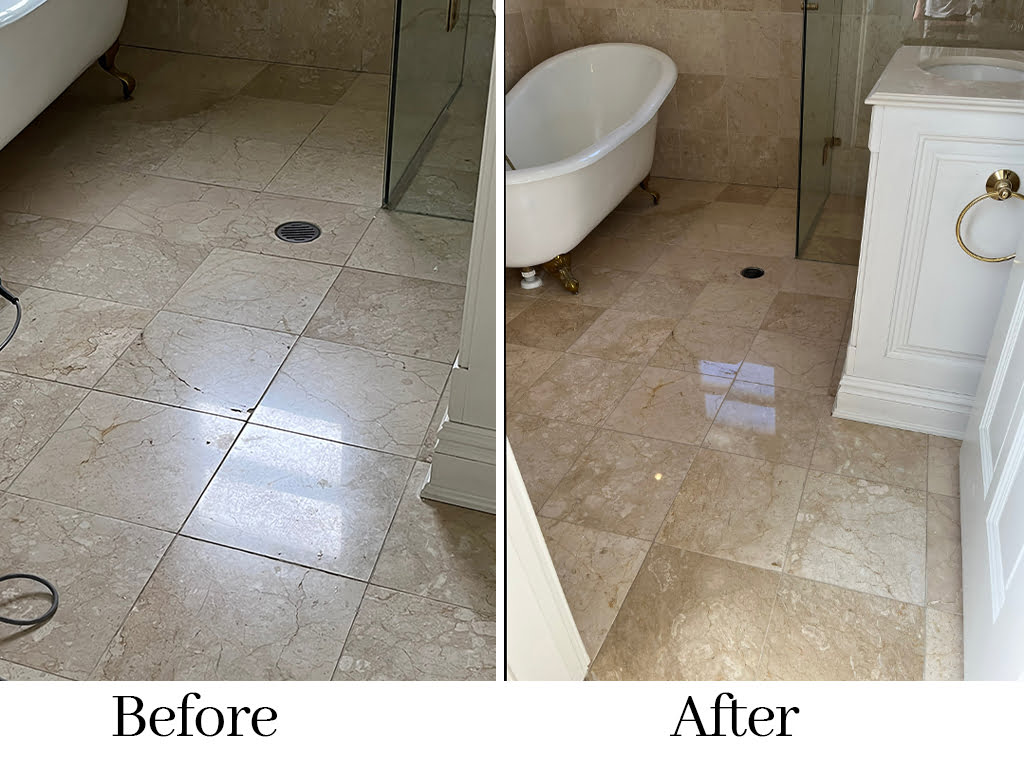
Rock rehabilitation includes a diversity of techniques focused on restoring authentic rock exteriors, recovering their original aesthetic and extending their durability. The method typically starts with a detailed washing to remove dust, contaminants, and any existing finishes that may have degraded over time. According to the type of stone, specific cleaning solutions or machinery may be used to guarantee that the area is properly prepared for further restoration tasks.
When cleaning is complete, the next step often requires fixing any cracks, chips, or considerable harm to the rock. This may encompass filling in blemishes with tint-matched epoxy or adhesives that blend harmoniously with the neighboring substance. Restoration specialists also examine whether buffing or honing is necessary to recover the rock's luster. All approach has its own merits; honing creates a non-reflective look while buffing offers a shiny look.
Sealing is a critical last step in the rock rehabilitation method. A top-notch sealant safeguards the stone from future marks and moisture infiltration, guaranteeing resilience and lastingness. It is crucial to select the correct kind of coating according to the material's specific qualities and the environment it is subjected to. By understanding these approaches, property owners can decide wisely about caring for and enhancing the beauty of their genuine stone surfaces.
The Benefits of Professional Stone Restoration
Spending in professional stone restoration delivers various advantages that can boost the look and lifetime of natural stone surfaces. One immediate benefit is the revival of the stone's initial gloss and tone. With time, surfaces can turn dull due to abrasion, nicks, and blemishes. Specialized restoration utilizes state-of-the-art techniques and equipment to refine and smooth the stone, resulting in a gorgeous transformation that can substantially improve the appearance of your home.
One more crucial benefit is the avoidance of future damage. Professional restorers can detect underlying issues such as fissures or moisture penetration that may be overlooked. By resolving these problems early on, they can help avert more extensive and high-priced repairs down the line. This forward-thinking approach not only preserves your investment but also lengthens the life of your stone surfaces, making restoration a savvy long-term decision.
Finally, professional stone restoration can considerably raise the value of your property. Carefully preserved stone surfaces create a favorable impact on potential buyers and renters. A nicely restored stone area enhances the appeal of both residential and business properties, making them more appealing in the market. Putting money in restoration not only accentuates your property’s attributes but also turns out to be profitable in ensuring a higher return on investment in the long run.
Frequent Concerns and Care Tips
Natural stone surfaces are susceptible to a variety of issues over time, like scratches, corrosion, and staining. Common origins of damage include spills from acidic substances, the use of harsh cleaning materials, and intense foot traffic that can erode the finish. It is crucial to identify these issues early to prevent them from worsening, as ignored damage can result in costly repairs or even require full restoration. Regular assessments of your stone surfaces can aid spot these problems before they intensify.
To maintain the beauty and integrity of your stone, proper cleaning and care are vital. Utilize pH-neutral cleaners specifically designed for natural stone, and refrain from corrosive or rough products that can result in further damage. Establishing a consistent cleaning schedule will aid prevent dirt and grime from building up, maintaining the stone's appearance. Moreover, using coasters, placemats, and rugs in busy areas can guard your stone from scratches and spots, prolonging its usefulness.
Coating your natural stone is another vital maintenance task. Click for info protects the surface from water infiltration and spots. Depending on the variety of stone and its exposure to wear, re-sealing every one to three years is suggested. Additionally, frequently polishing the stone can improve its shine and deliver a protective layer against minor damage. Following these keeping tips can aid maintain your natural stone looking immaculate for many years to come.