

As householders increasingly look for effective and environmentally friendly heating and cooling solutions, heating pumps are now as popular choice. Such versatile devices not only provide coziness throughout but also provide an opportunity for considerable energy savings and lowered environmental impact. In the following comprehensive guide, we will explore everything you need to know about heat pump technology, including how they work to their installation process and maintenance, guaranteeing you can make informed decisions for your residence.
We'll explore the various types of heat pumps, like air source and ground source, and examine their performance in varied climates. Whether you are contemplating a heat pump for a new build, a renovation, or simply wanting to improve your current HVAC system, this guide will address essential topics such as efficiency comparisons with traditional systems, installation costs, potential rebates and tax credits, and much more. Accompany us while we explain heat pumps and emphasize the benefits they can bring to homeowners in 2026 and beyond.
Grasping Heat Pumps
Heating pumps are innovative systems designed to transfer heat across spaces, delivering both warmth and air conditioning for homes. They function by capturing heat from the outside air, earth, or water and moving it indoors to increase the temperature of a space during cold months. Conversely, in warmer months, heat pumps can flip this process, extracting heat from the inside of the home and releasing it outdoors. This two-way capability makes them a versatile choice for homeowners looking to maintain comfortable indoor temperatures all year long.
One of the key advantages of heat pumps is their operational efficiency. In contrast to traditional HVAC systems that generate heat through burning fuel or electric resistance, heat pumps relocate existing heat, needing less energy to achieve the same degree of comfort. This energy savings translates to decreased utility expenses and a smaller carbon footprint, making heat pumps an environmentally friendly option for home heating and cooling. As energy expenses escalate, the monetary benefits of using heat pumps become increasingly attractive to homeowners.
As with every home system, understanding heat pumps is crucial to making informed decisions about setup and servicing. When considering a heat pump, it’s important to consider factors such as the size of the system, kind (air-source or ground-source), and particular installation needs. Knowledge of how heat pumps function and their pros can allow homeowners to select the best system for their needs, ensuring peak efficiency and satisfaction.
Benefits and Factors
Heat pump systems offer numerous advantages that make them an appealing choice for residential users. One of the main advantages is their ability to save energy. Heat pumps can move heat rather than producing it by burning fuel, which means they use considerably less energy to heat or cool a home. This results in lower energy bills, making them a economical choice in the future. Additionally, heat pumps have the capability to provide both heat and cooling, removing the need for separate HVAC systems and streamlining home climate control.
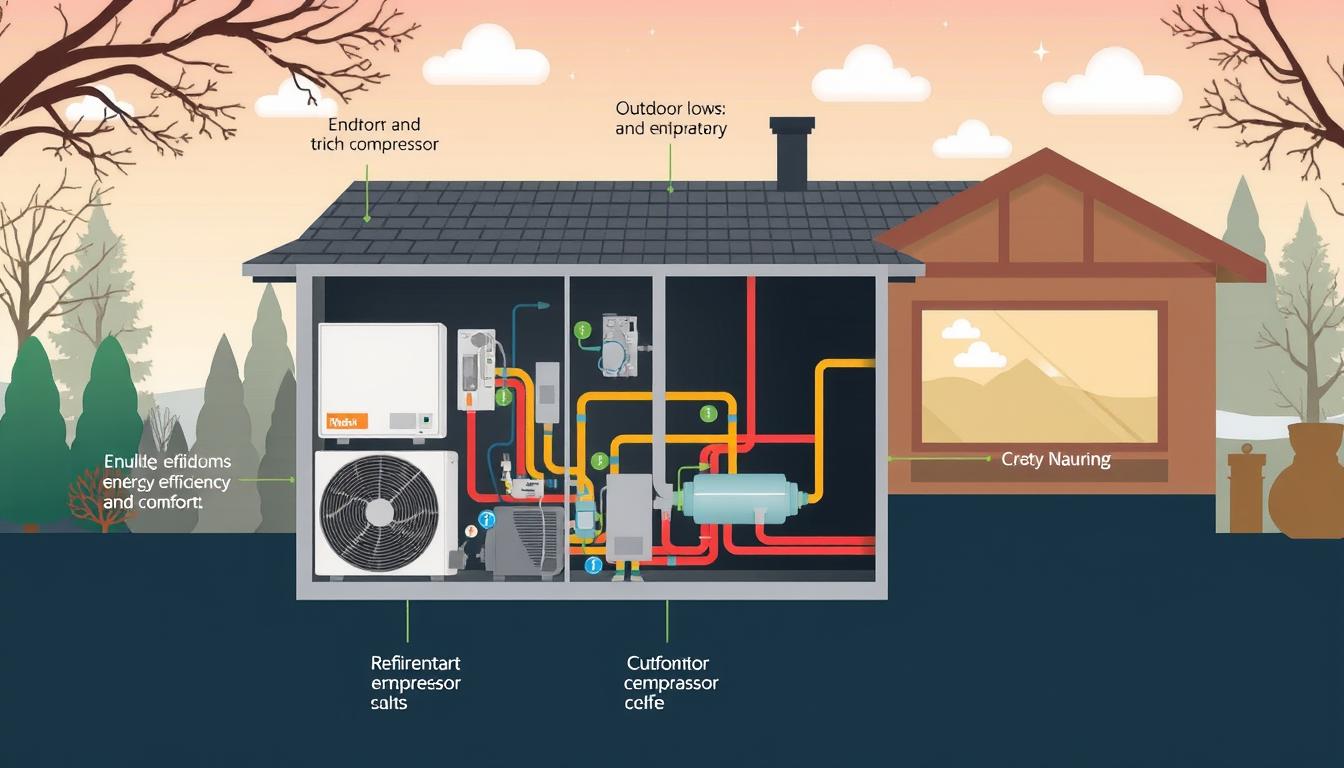
On the other hand, there are factors to take into account when choosing a heat pump system. For example, heat pumps can be less effective in very cold climates, as their effectiveness decreases as outdoor temperatures drop. Homeowners in such regions may need to consider a dual-fuel system or an alternative heat source. Furthermore, setup costs can be higher than traditional HVAC systems, which may impact the decision-making process for certain homeowners. It is crucial to consider these factors against potential long-term savings and environmental benefits.
In conclusion, proper care and setup are crucial for maximizing the lifespan and performance of a heat pump. Heat Pumps Bradford Yorkshire is necessary to ensure peak performance and efficiency. Users should also be cognizant of local incentives, such as rebates or tax credits, which can make the transition to a heat pump more affordable. Investigating and choosing a reliable installer can help prevent common mistakes and ensure a smooth installation.
Installation and Maintenance
When considering installing of a heat pump, it's crucial to engage a qualified professional that comprehends the specific requirements of your home. The installer is going to assess factors like your home's size, insulation, and local climate to advise on suitable types and sizes of heat pump. Proper installation is crucial not only for the performance of the system but also for ensuring peak performance and longevity. Be prepared for the installation process to last a few hours to a couple of days, based on the intricacy of the system and if any extra ductwork is needed.
Regular maintenance is essential to keep your heat pump running efficiently and to increase its lifespan. Homeowners must get their heat pumps maintained at least one time a year, which includes checking for refrigerant leaks, cleaning the coils, and inspecting the electrical components. Cleaning or replacing air filters every several months also plays a significant role in the efficiency of heat pumps. Routine maintenance can prevent unforeseen issues, cut repair costs, and ensure that your system operates at optimal levels all year long.
In addition to regular service, being proactive about recognizing common issues can save homeowners time and money. Learn the signs of signs that could show your heat pump needs attention, like odd sounds, diminished heating or cooling efficiency, or higher energy bills. By tackling problems early and maintaining it well, you can maximize the benefits of your heat pump system and maintain a comfortable home environment regardless of the season.